

Excavating is a crucial step in any construction project, laying the groundwork for structures that define our communities and lives. In Ontario, excavation contractors serve a vital role in ensuring that each dig and drill supports secure, sustainable, and code-compliant development. From home foundations to big commercial sites, these professionals are equipped with the knowledge and skills to handle the complexities of the region’s varied landscapes and regulatory requirements.
As we look to the future, understanding the nuances of excavation in Ontario is essential for anyone considering fresh construction or remodeling. Factors like frost line depths, soil conditions, and site preparation checklists are key components that determine the success of a project. Moreover, excavation work goes beyond mere digging; it entails meticulous planning, adherence to safety regulations, and effective management of environmental impacts. This guide will explore how Ontario excavation contractors are not only helping to build homes and businesses but also defining the foundation of our future.
Excavating Basics in Ontario
Excavating within Ontario represents a critical first step for various building projects, acting as the foundation of buildings, roadways, and many infrastructural projects. Grasping the region's distinct environmental factors, such as frost line levels, soil types, and climatic factors, becomes crucial for effective excavation work. Contractors should be ready to address these elements to guarantee that footings are properly excavated and set to support the buildings that will be erected upon them.
Within the province of Ontario, various regulations and guidelines govern excavation projects, especially concerning safety and ecological impact. The Ministry of Labour in Ontario sets forth standards for trenching safety, shoring, and the management of surplus soil. Adherence with these regulations is essential to reduce risks to laborers and the ecosystem, making certain that worksites are safe and in accordance with local legislation. Additionally, dealing with these regulations can often be complex, necessitating contractors to remain updated and skilled at acquiring the required authorizations.
Effective digging projects rely not only on professional skills but also on meticulous organization and location preparation. Prior to Excavation Companies digging starts, contractors must complete an essential site preparation checklist that features assessing the land, obtaining utility locating services through Ontario One Call, and understanding the particular requirements of the initiative. By focusing on these principles, excavation contractors in the province of Ontario play a crucial part in creating a solid foundation for a sustainable and durable outlook.
Security and Rules for Digging Projects
As performing excavation operations in the province of Ontario, it is crucial to follow the safety guidelines established by the provincial labor ministry. These guidelines are designed to safeguard workers and the general public from potential hazards associated with excavation work. Key safety practices include proper planning, site inspections, and the use of PPE. Excavation contractors must make sure that all crew staff are educated in health and safety practices, which cover areas such as trench safety and shoring methods to prevent collapses.
In addition health and safety practices, acquiring the appropriate permits is critical for any excavation project. This includes securing approvals from relevant conservation authorities, especially when working near environmentally sensitive areas. Compliance with local laws and zoning by-laws helps prevent legal complications and ensures that operations meet community standards. Excavation professionals should also be aware of Ontario's rules on excess soil management, which regulate the management and disposal of excavated materials, thereby promoting responsible site oversight.
Another important factor of excavation safety is making sure that utility lines are marked before starting operations. The provincial One Call system offers a valuable service by connecting contractors with utility companies to avoid destruction to subsurface lines. This proactive approach not just helps avoid expensive repairs but also improves public safety by minimizing the risk of dangerous events during excavation. By adhering to these regulations and safety guidelines, Ontario excavation professionals can contribute to a safer and more efficient construction practices.
Pricing and Ecological Considerations in Earthmoving
Comprehending the costs associated with excavation contracts in Ontario requires diligent consideration of several elements. The type of excavation needed—whether domestic or commercial—plays a significant role in determining charges. Additionally, the regional location can influence pricing due to ease of access, ground conditions, and the provision of equipment. Construction professionals must also account for elements like worker wages, project details, and supplies necessary for the task. By efficiently assessing these factors, customers can better estimate their budget and avoid unexpected costs.
Environmental considerations are crucial in earthmoving contracts to ensure adherence with local laws and reduce environmental effects. Excavation professionals in Canada's Ontario often face strict guidelines related to erosion control, sediment management, and the handling of excess soil. For instance, comprehending Ontario's regulations on surplus soil is critical for reducing ecological impact and preserving site condition. Excavation Services must adopt responsible practices such as protecting tree zones, using dewatering techniques, and ensuring that excavated sites are appropriately restored post-project to promote sustainability.
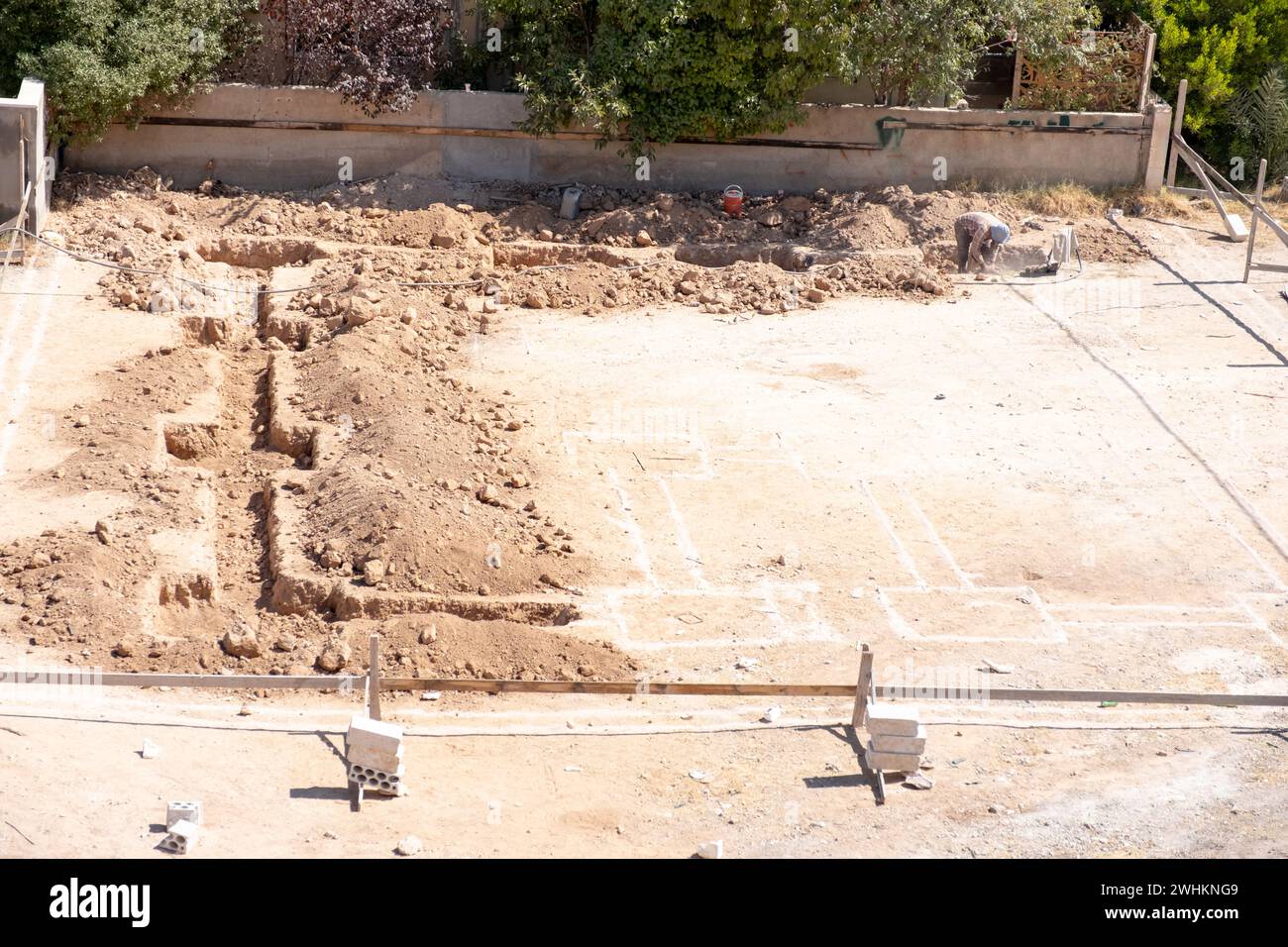
In plus to legal compliance, prioritizing ecological conservation can lead to long-term advantages for excavation contracts. By utilizing techniques such as brownfield remediation and drainage systems for farming, professionals can mitigate potential pollution and improve land usability. Incorporating technology such as water-based digging can further enhance the safety and efficiency of revealing buried utilities while reducing harm to the surrounding environment. In conclusion, balancing financial efficiencies with ecological responsibility will contribute to more successful excavation outcomes in Ontario.